China Top Drainage Fittings Manufacturers and Suppliers?
Choosing China’s top drainage fittings manufacturers and suppliers requires more than comparing prices or catalog photographs. A reliable supplier should understand water flow, pipe compatibility, corrosion resistance, and installation conditions. In practical projects, a poorly sized connector can cause slow drainage, leaking joints, or repeated maintenance. Small details matter.
This guide examines manufacturers and suppliers that serve residential, commercial, and infrastructure applications. It considers product range, material quality, production experience, inspection procedures, customization ability, and export support. Stainless steel, PVC, brass, and other materials may suit different environments. A coastal building, for example, may need stronger corrosion protection than an indoor apartment bathroom.
Evidence matters. Look for factory audits, test reports, traceable batches, clear technical drawings, and consistent communication. Certifications can support trust, but they should match the actual product and destination market. A polished website proves little by itself. Factory capability matters more.
No supplier is perfect. Even experienced manufacturers may have delays, specification gaps, or inconsistent documentation. Buyers should confirm dimensions, pressure requirements, packaging, warranty terms, and after-sales responsibility before placing an order. Sample testing is wise.
This overview is designed to help importers, contractors, distributors, and project engineers compare China’s drainage fittings suppliers with greater confidence. It does not replace professional engineering review. The best choice balances verified quality, realistic delivery, technical support, and long-term value—not merely the lowest quotation.
China’s Drainage Fittings Industry: Products, Materials, and Applications
China’s drainage fittings industry serves residential buildings, factories, hospitals, and municipal networks. Products include floor drains, traps, couplings, cleanouts, reducers, and inspection chambers. The United Nations’ 2023 JMP report estimates that 3.5 billion people still lack safely managed sanitation. That gap keeps drainage investment commercially important.
Material selection depends on temperature, pressure, chemicals, and installation conditions. PVC-U is lightweight and economical for many indoor systems. PP handles hot discharge better in selected applications. HDPE offers flexibility and reliable welded joints for buried pipelines. Ductile iron and stainless steel provide stronger mechanical and fire performance, but they increase project costs. China’s National Bureau of Statistics reported an urbanization rate of 66.16% in 2023, supporting continued demand for urban drainage components.
Experienced buyers should inspect wall thickness, sealing rings, dimensional tolerance, and batch traceability. Independent testing should verify flow capacity, impact resistance, and leakage performance. Relevant projects may reference standards such as ISO 1452 or EN 1329, depending on the material and market. A fitting can look perfect and still fail after poor joint preparation. This remains an overlooked risk. Price comparisons also need transport, certification, installation, and replacement costs. Some product descriptions sound precise, but actual performance may vary between batches. Suppliers with documented testing and clear technical drawings deserve closer evaluation.
Key Criteria for Evaluating Chinese Drainage Fittings Manufacturers
Evaluating Chinese drainage fittings manufacturers requires more than comparing quotations. The WHO/UNICEF Joint Monitoring Programme reported that 3.5 billion people lacked safely managed sanitation in 2022. That pressure makes reliable drainage infrastructure a practical necessity, not merely a procurement detail. Check whether the supplier follows relevant GB, EN, or ISO product standards. Request dimensional, leak, impact, and chemical-resistance test records for actual production batches.
Material traceability should reach the resin, rubber seal, and production date. Ask for batch codes, inspection plans, mold-maintenance records, and corrective-action reports. Independent laboratories accredited to ISO/IEC 17025 provide stronger evidence than internal certificates alone. The ISO Survey 2022 recorded more than 1.2 million ISO 9001 certificates worldwide, but certification does not guarantee consistent fittings. A polished document can still hide weak process control.
Factory evaluation should include extrusion stability, socket accuracy, wall-thickness checks, and warehouse conditions. Visit the site when possible. Observe rejected parts, not only finished samples. Review export experience, packaging tests, lead-time records, and technical support after installation. Total cost should include tooling, replacement risk, freight damage, and field labor. I would also test samples independently before signing a long-term agreement. This adds time, but one missed seal can create expensive water damage. Supplier selection remains partly judgment. That is the uncomfortable part.
Leading Manufacturer Profiles and Their Core Product Capabilities
China's leading drainage fittings manufacturers serve residential, commercial, and infrastructure projects. Their profiles differ by material, scale, and engineering focus. Established producers often operate injection molding, metal forming, and precision machining lines. These facilities support consistent dimensions across large orders. A capable supplier should show factory records, testing procedures, and traceable batch information. Product catalogs may include floor drains, pipe connectors, traps, cleanout fittings, and roof drainage components. Each item needs a clear application range.
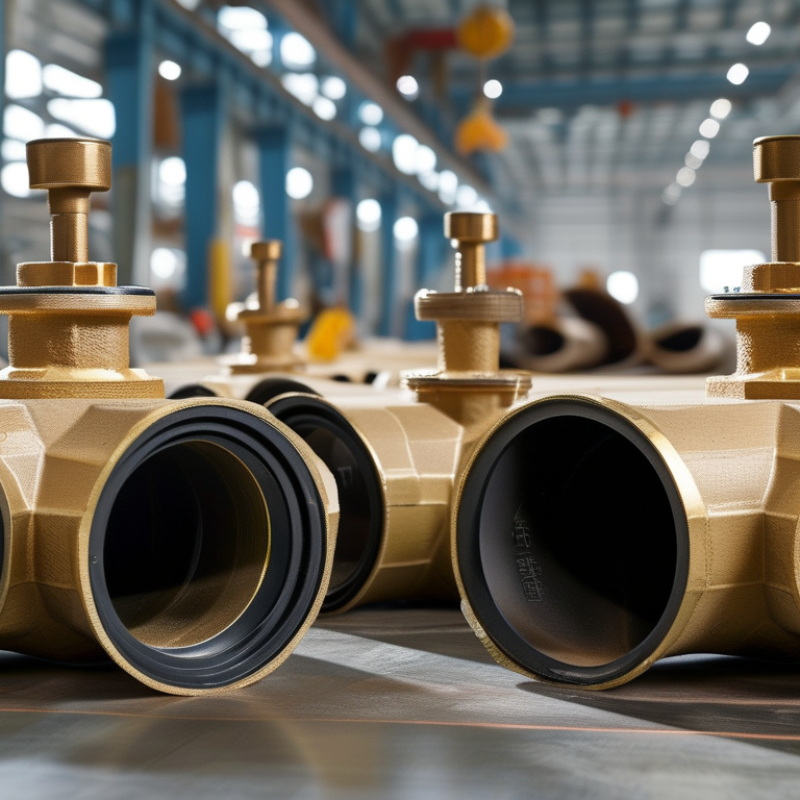
Manufacturers with strong plastic capabilities commonly process PVC, PP, or ABS for lightweight drainage systems. They control wall thickness, socket accuracy, and resistance to household chemicals. Metal-focused factories may produce stainless steel grates, brass adapters, and cast components. Their strengths include surface finishing, load testing, and corrosion control. Serious suppliers test water flow, leakage, and connection strength before shipment. Ask for recent reports, not old marketing files. This simple check can reveal weak quality systems.
Some companies combine tooling design with custom production. This helps buyers adjust outlet sizes, grate patterns, packaging, or installation details. Experienced engineers can review drawings and identify blockage risks near bends and joints. Still, supplier claims deserve careful verification. Production capacity may look impressive, yet quality can vary between batches. I would inspect samples, compare measurements, and request a small trial order. Factory visits also reveal storage conditions, worker training, and label accuracy. Reliable communication matters when drawings change. Small mistakes become expensive on site.
How to Compare Chinese Drainage Fittings Suppliers and Quotes
China Top Drainage Fittings Manufacturers and Suppliers
How to Compare Chinese Drainage Fittings Suppliers and Quotes
A reliable comparison starts with identical specifications. Send every supplier the same drawings, material grade, size range, surface finish, and connection method. Ask for wall thickness, dimensional tolerances, sealing details, and test procedures. A low quote may use thinner material or exclude essential accessories. Check whether the price includes molds, samples, packaging, inspection, and delivery to your port. These details can change the real cost considerably.
Request a sample before approving bulk production. Measure its diameter, thread accuracy, outlet angle, and gasket fit with simple inspection tools. Ask for material certificates and recent quality records. Photos of production lines help, but an independent factory audit offers stronger evidence. Review production capacity, minimum order quantity, lead time, and corrective-action procedures. Confirm payment terms and delivery terms in writing.
Look beyond the lowest number.
A supplier should explain technical decisions clearly. Their answers should match the drawings and test reports. One common mistake is comparing unit prices while ignoring rejected parts and replacement delays. I have also seen buyers accept attractive samples without checking batch consistency. That creates problems later. A better review keeps a written comparison sheet and records every assumption. Even experienced purchasers can miss packaging damage, seasonal capacity limits, or unclear responsibility for final inspection. Ask direct questions, and allow time for careful verification.
Quality Standards, Export Services, and Procurement Considerations
Selecting China-based drainage fittings manufacturers requires more than comparing unit prices. Reliable suppliers should demonstrate controlled production, documented material grades, and repeatable dimensional accuracy. Ask for factory quality records, inspection plans, and test reports linked to specific batches. Standards such as ISO 9001, EN, ASTM, or other project-required specifications may apply. Confirm the exact standard, because similar-looking fittings can follow different testing rules.
Export experience also affects project risk. A capable supplier should provide clear packing lists, commercial invoices, certificates of origin, and dependable shipping coordination. Packaging deserves practical attention. Socket ends need protection, cartons must resist moisture, and mixed sizes require visible labels. Request samples before placing a large order. Check wall thickness, socket depth, surface finish, and fit with the intended pipe system. Small differences can create installation delays.
Procurement teams should compare total cost, not only the quoted price. Include tooling, inspection, inland transport, packaging, customs handling, and replacement terms. A written agreement should define tolerances, delivery dates, payment stages, and claim procedures. Factory audits can reveal storage problems that documents miss. Still, no checklist is perfect. I would keep a small trial order, even when the supplier appears experienced. Communication can also fail through translation or assumptions. Clear drawings and signed specifications reduce that risk. Expect improvements after the first shipment. That is normal, but it should be managed.