Top Drainage Fittings for Effective Water Management Solutions?
Effective water management solutions rely heavily on high-quality drainage fittings. According to a 2022 report by the Water Research Foundation, improper drainage methods contribute to over 40% of urban flooding events. This highlights the critical role of reliable drainage solutions in mitigating environmental risks and protecting infrastructure.
Choosing the right drainage fittings is essential for both residential and commercial applications. For instance, the market for drainage systems is projected to reach $21 billion by 2027, driven by increasing urbanization and climate change effects. High-performance fittings can significantly enhance water flow and reduce the risk of blockages.
However, not all drainage fittings perform equally. It is important for consumers to consider factors like material, design, and installation when selecting products. A poorly chosen fitting can lead to frequent maintenance and costly repairs. Regular evaluation of drainage systems is necessary to ensure effectiveness and longevity in water management.
Overview of Drainage Fittings and Their Importance in Water Management
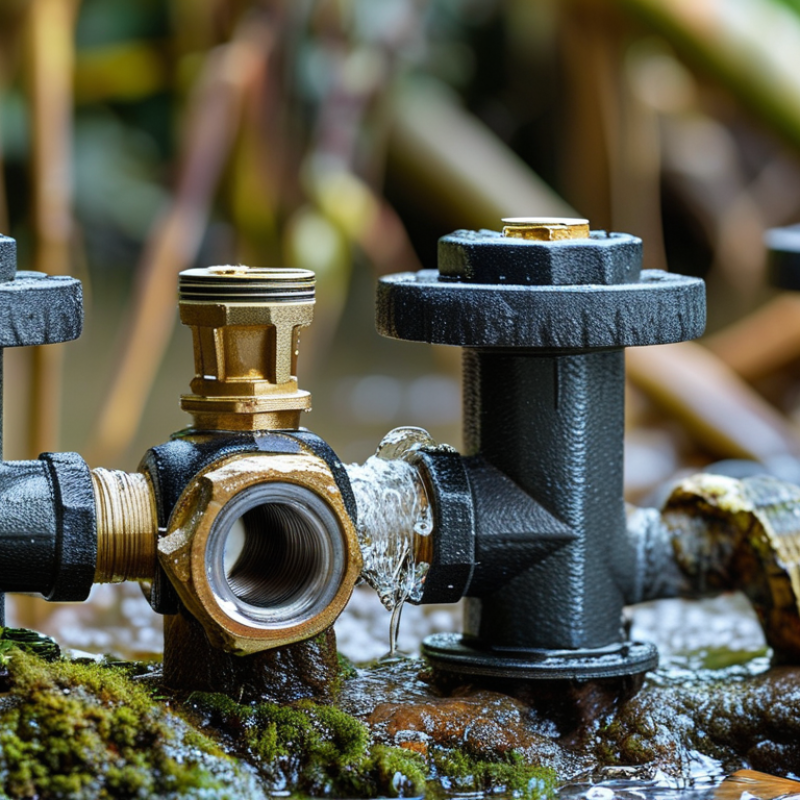
Drainage fittings play a crucial role in effective water management. These components help direct water flow, preventing damage to properties and landscapes. Well-designed drainage systems reduce water accumulation, which can lead to erosion or flooding. The right fittings ensure that excess water is drained efficiently, safeguarding both residential and commercial areas.
Understanding different types of fittings is essential. Various shapes and sizes cater to specific needs. For example, catch basins capture surface runoff, while trench drains channel water away from structures. Selecting the proper drainage fittings can be complex. It's important to assess local conditions and installation environments for optimal performance.
Plan your drainage system carefully. Evaluate potential trouble spots where water tends to pool. Regular maintenance helps to tackle clogs before they worsen. Assessing the current system's efficiency will identify necessary upgrades. It’s essential to keep an eye on wear and tear over time. Even the best installations may need adjustments to maintain effectiveness. Prioritize a holistic approach to water management to mitigate potential issues effectively.
Types of Drainage Fittings for Various Applications and Environments
When selecting drainage fittings, consider the specific application and environment. For residential areas, PVC fittings are a common choice. They are lightweight and resistant to corrosion. These fittings are suitable for various drainage systems, including downspouts and roof drains.
In industrial settings, metal fittings often take the lead. They offer greater durability and can handle high-pressure water flows. Stainless steel and galvanized options are popular for their longevity. However, they may require more maintenance than plastic varieties. Understanding the needs of your environment is crucial for effective drainage solutions.
Some fitting types may not perform well in extreme conditions. Flexible pipes, while easy to install, can be prone to leaks if not secured properly. It’s essential to balance ease of installation with long-term reliability. Regular evaluations of your drainage system can prevent costly repairs down the line.
Top Drainage Fittings for Effective Water Management Solutions
This bar chart illustrates the usage percentage of different types of drainage fittings in various applications. PVC fittings are the most commonly used, followed by cast iron and stainless steel fittings, reflecting their effectiveness in water management solutions.
Key Features to Consider When Selecting Drainage Fittings
When selecting drainage fittings, certain features are crucial for optimal performance. Durability is one of the foremost considerations. High-quality materials resist corrosion and wear. This longevity ensures that the fittings can endure various environmental conditions. Another vital feature to evaluate is the fitting’s compatibility with existing drainage systems. Mismatches can lead to leaks and inefficiencies. Ensure that sizes and connections align properly to prevent water damage.
A good drainage fitting should also promote efficient water flow. Some designs enhance liquid movement, which reduces standing water and related issues. Look for options with smooth pathways. They minimize blockages and make maintenance easier. While aesthetics may not be the first priority, the visual integration of fittings into the landscape can enhance property value.
Reflecting on past experiences, it is apparent that miscalculations in drainage design can lead to significant problems. Choosing the wrong fittings can result in costly repairs. It is essential to invest adequate time in research and evaluation. Seek advice from professionals, as their expertise can guide better decisions. Ensure that your choices reflect a balance between functionality and quality. The right fittings can vastly improve water management effectiveness.
Installation Best Practices for Effective Drainage Solutions
Effective drainage begins with proper installation practices. First, assess your site thoroughly. Analyze soil type and water flow patterns. This understanding is crucial for the right drainage solution. Installing drainage fittings without this information can lead to subpar results.
Proper grading is essential. Ensure the landscape slopes away from structures. A slope of at least 1% can significantly enhance drainage performance. Use level tools for accuracy. Inadequate grading may cause water pooling, damaging foundations over time. Observe your layout as you work; adjustments might be necessary to achieve optimal flow.
When fitting drainage pipes, consider the joints carefully. Sealing them well prevents leaks. Improperly sealed joints can result in water loss and reduced efficiency. Regular checks can catch issues early. Reflecting on your installation process, remember: even small mistakes can lead to significant problems later. Effective water management demands attention to detail.
Maintenance Tips for Extending the Life of Drainage Fittings
Drainage fittings play a crucial role in effective water management. Regular maintenance can significantly extend their life.
One key area of focus is routine inspections. Check for clogs and blockages. Clear any debris that may gather around the fittings.
If left unattended, even minor obstructions can lead to bigger issues.
Another important practice is to monitor the fittings for signs of wear. Look for cracks or leaks. If you notice any differences in water flow, take action promptly.
Ignoring small issues can result in costly repairs later. Cleaning the fittings at least once a year helps prevent sediment buildup.
This ensures optimal performance and longevity.
Always use appropriate cleaning tools. Avoid harsh chemicals that may damage the material. Instead, use natural solutions like vinegar to break down any grime.
Educating yourself about proper drainage care is essential. Consider consulting with a professional if unsure.
They can offer valuable insights and advice specific to your system. Regular attention to your drainage fittings can make a significant difference in their effectiveness and lifespan.