How to Choose the Right Sewer Fittings for Your Project?
Choosing the right sewer fittings for your project can be challenging. It's essential to understand the various options available. The quality of sewer fittings plays a critical role in ensuring a successful installation. Selecting the wrong type may lead to leaks or blockages down the line.
There are different materials and designs tailored to specific needs. Knowing your project's requirements is vital in making an informed decision. Consider factors such as pipe size, material compatibility, and the intended use of the fittings. Each factor can significantly affect performance and durability over time.
It's easy to overlook important details when purchasing sewer fittings. Many individuals focus solely on cost, neglecting the long-term implications of their choices. This can result in increased expenses for repairs. Remember, investing time in research will pay off in the long run.
Understanding the Different Types of Sewer Fittings Available
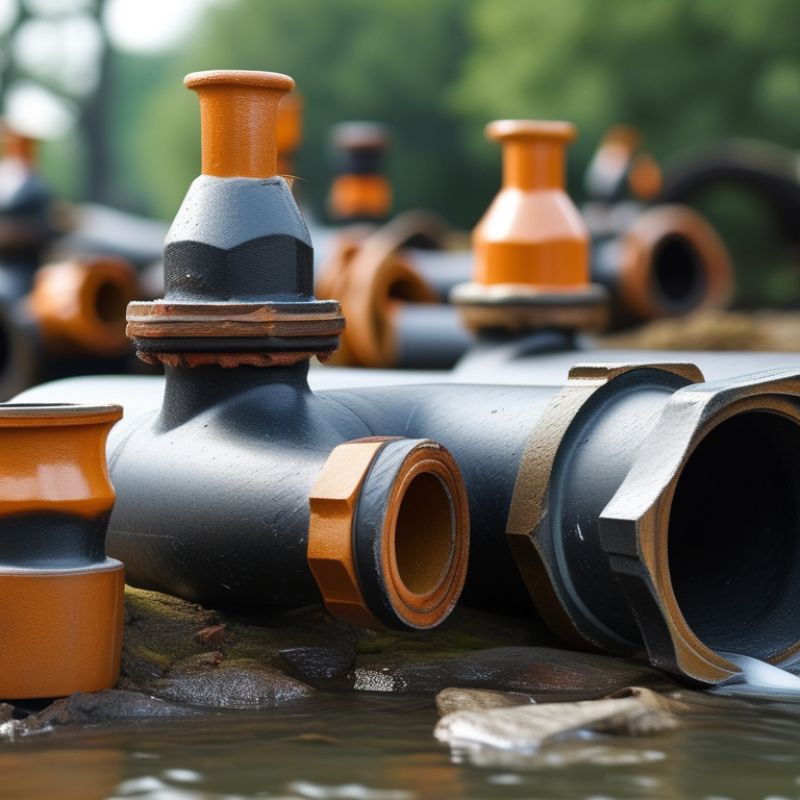
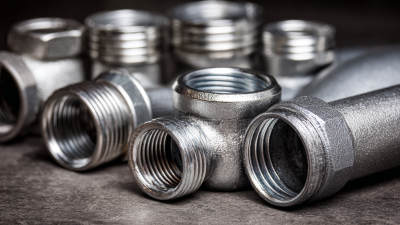
When embarking on a sewer project, understanding the types of sewer fittings is crucial. There are several categories to consider. Each type serves a different function and can impact the overall efficiency of the plumbing system. Common fittings include elbows, tees, and couplings. Elbows are used for directional changes, while tees help in branching off lines. Couplings connect different segments securely.
Choosing the right fitting often depends on your project specifics. Many sewer lines require different materials, like PVC or cast iron. Each material has distinct durability and installation requirements. The landscape also affects your choice. For example, steep terrains may necessitate specific angles in fittings. Understanding these factors can prevent common mistakes, like incorrect alignment.
It's easy to overlook the small details during installation. Proper sealing is vital; leaks can lead to costly repairs. Budget considerations might also rush decisions. But skimping on quality could cause issues down the line. Weighing long-term benefits against immediate costs is essential for a successful project. Therefore, take the time to assess all options thoroughly.
Factors to Consider When Selecting Sewer Fittings for Your Project
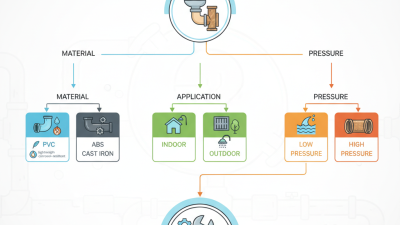
Choosing the right sewer fittings is crucial for any plumbing project. Several factors influence this decision. One key aspect is the material of the fittings. Options include PVC, ABS, and cast iron. Each has its benefits and drawbacks. PVC is lightweight and resistant to corrosion, while cast iron offers durability but can be more challenging to handle.
Correct sizing is another important factor. Fittings must match the pipe diameter to ensure proper flow. A mismatch can lead to leaks or blockages. Always measure twice before purchasing. Additionally, consider the local building codes. These regulations can dictate which materials and types of fittings are acceptable.
Don’t overlook the specific requirements of your project. A residential setup may need different fittings than a commercial installation. Think about the environment too. Outdoor projects may require weather-resistant materials. Mistakes can be costly, so take time to reflect on your choices. Evaluate your options thoroughly and consult a professional if needed.
How to Choose the Right Sewer Fittings for Your Project?
| Fitting Type |
Material |
Diameter (inches) |
Application |
Cost ($) |
Installation Difficulty |
| Elbow |
PVC |
3 |
General Sewer |
1.50 |
Easy |
| Tee |
ABS |
4 |
Branch Sewer |
2.00 |
Moderate |
| Coupling |
Cast Iron |
6 |
Main Sewer Line |
3.00 |
Difficult |
| Adapter |
Polyethylene |
2 |
Transition |
1.20 |
Easy |
| Cleanout |
PVC |
4 |
Maintenance |
2.50 |
Moderate |
Assessing Sewer Fitting Materials and Their Properties
Choosing the right sewer fittings for your project involves careful consideration of the materials used. Common materials include PVC, ABS, and cast iron. Each has unique properties affecting their suitability for specific applications. PVC is lightweight and easy to install, making it a popular choice for residential projects. ABS is known for its strength and resistance to impact. Cast iron offers durability and sound insulation, ideal for commercial buildings.
When assessing sewer fitting materials, evaluate factors such as pressure ratings, temperature tolerance, and resistance to chemicals. PVC fittings can handle various weather conditions, making them versatile for outdoor use. ABS, on the other hand, is less brittle in cold temperatures. Cast iron, while heavier, provides robust performance in high-pressure settings.
Tips: Always consider the specific requirements of your project. Understand local building codes, as they may dictate what materials you can use. Inspect fittings for defects before purchase; small imperfections can lead to significant problems later. A detailed research phase ensures better choices and fewer regrets.
Compatibility of Sewer Fittings with Existing Plumbing Systems
When embarking on a plumbing project, ensuring compatibility of sewer fittings with existing systems is crucial. Different plumbing materials, such as PVC, ABS, and cast iron, can present challenges. Each material has unique properties and methods of fitting. For instance, ductility in PVC allows for simple installations but may not match cast iron’s rigidity perfectly. This mismatch can lead to leaks and future repairs.
It's essential to check the specifications of the existing plumbing before making a choice. Do a thorough inspection of the current system. Look for signs of wear and potential issues. What fittings are already in place? Are they prone to breakage? These questions guide your selection process. Sometimes, achieving a secure connection requires adaptors or specialized fittings. A last-minute choice might make everything more complicated.
Cross-referencing materials can lead to unforeseen challenges. Even a small fitting discrepancy can affect entire systems. Cutting corners for lower cost can result in larger problems later. Trust your instincts and seek professional advice when unsure. Your plumbing project deserves careful consideration to avoid regrets later on.
Compatibility of Sewer Fittings with Existing Plumbing Systems
Installation Considerations for Optimal Sewer Fitting Performance
When selecting sewer fittings, installation considerations play an essential role. Proper alignment is crucial. A misalignment can cause leaks over time. Take the time to ensure all pipes are level before connecting fittings. This can save time and money later on.
Choosing the right materials is also important. PVC and ABS are common options. They each have unique benefits. Consider the local environment. For instance, extreme weather conditions can affect the lifespan of the materials used. Evaluate the terrain as well; shifting soil can require specific types of fittings to avoid damage.
Don’t overlook the need for proper support. Adequate bracing can prevent movement after installation. Always check the manufacturer’s guidelines for recommended support methods. Even small oversights can lead to big problems down the line. It’s easy to rush, but taking the time to plan can make a significant difference in performance.