2026 Best Waste Pipe Fittings Types for Global Buyers?
Choosing the right waste pipe fittings in 2026 requires more than comparing prices or catalogue photographs. Global buyers must examine material performance, connection methods, drainage capacity, and regional installation practices. PVC fittings remain popular for lightweight systems, while PP offers strong chemical resistance. Cast iron still serves demanding commercial projects where acoustic control and fire performance matter. Stainless steel fittings suit exposed, hygienic, or corrosive environments.
Experienced buyers also inspect elbows, tees, reducers, traps, adapters, cleanouts, and flexible couplings as one complete system. A single weak connection can cause leakage behind a tiled wall. That repair may cost far more than the original fitting. Richard Trethewey, plumbing expert and longtime This Old House technical adviser, has expressed a practical principle: “The best plumbing is the plumbing you never have to think about.” It captures the value of reliable design, careful installation, and long service life.
Still, no universal fitting suits every market. Climate, water temperature, waste chemistry, building height, and local standards can change the correct choice. Product certificates help, but they do not replace hands-on verification. Buyers should request dimensional drawings, pressure or flow data, gasket details, batch information, and installation instructions. Inspect the socket depth. Check the thread quality. Test compatibility before ordering thousands of units.
This guide reviews the best waste pipe fittings types for global buyers in 2026. It compares practical strengths, limitations, applications, and purchasing risks. Some recommendations remain conditional. That is intentional. Real drainage projects are rarely perfect, and thoughtful buyers leave room for inspection, testing, and correction.
Waste Pipe Fittings: Definition, Functions, and Basic Classification
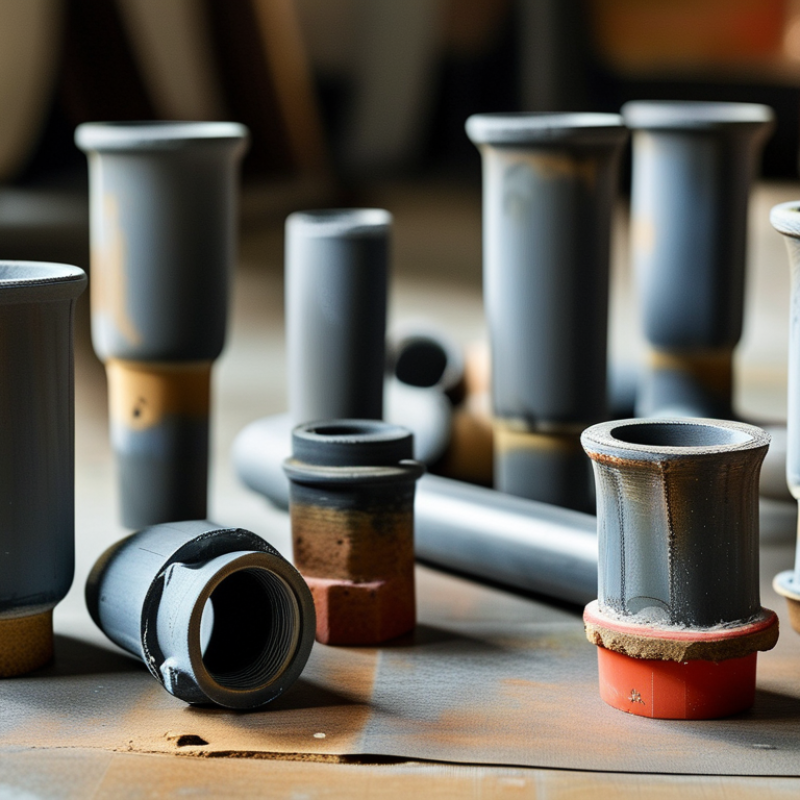
Waste pipe fittings are components that connect, redirect, control, or terminate wastewater pipes. They carry used water from sinks, showers, appliances, and toilets toward a drainage system. Unlike pressure fittings, they usually operate under gravity, so correct alignment and slope matter greatly. A small installation error can leave water standing inside the pipe.
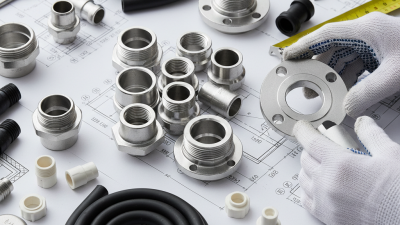
In practical site inspections, fittings are commonly classified by shape, connection, material, and purpose. Elbows change the flow direction, while tees and wyes join branch lines. Couplings connect two pipe sections, and reducers link different pipe diameters. Traps hold a water seal that blocks sewer gases. Cleanouts provide access when buildup occurs. Solvent-welded, push-fit, threaded, and compression connections each require different installation methods. PVC, ABS, polypropylene, and metal fittings may suit different temperature, chemical, and building conditions. The choice is not only about size. Wall thickness, sealing quality, drainage capacity, and local plumbing codes also deserve attention.
Classification is not always neat. A single fitting may serve both a joining and directional function. Some push-fit products appear simple, yet uneven pipe cuts can cause leaks. Measure twice. Inspect the gasket. Buyers should request dimensional data, compatible pipe materials, test records, and clear installation guidance. Reliable sourcing also includes checking batch consistency and packaging damage. These details seem minor, but they influence service life after the fittings disappear behind walls.
2026 Best Waste Pipe Fittings Types for Global Buyers
Waste pipe fittings are connection components used to join, redirect, reduce, seal, inspect, or control wastewater drainage pipes. Common classifications include traps, bends, tees, reducers, couplings, and access fittings.
The chart presents representative nominal diameters commonly encountered in residential and light-commercial waste drainage systems. Actual dimensions and preferred fitting types vary by country, plumbing code, pipe material, and installation location. Traps are mainly used for odor control, bends change flow direction, tees connect branch lines, reducers join different pipe sizes, and access fittings support inspection and maintenance.
Main Types of Waste Pipe Fittings for Different Drainage Systems
Waste pipe fittings determine how safely used water leaves a building. In 2026, global buyers should match each fitting to the drainage system, not appearance. The choice depends on layout, pipe material, flow rate, and maintenance access. A P-trap blocks sewer gases beneath sinks. A bottle trap fits compact spaces and offers easier visual cleaning. For showers, floor drain bodies connect grates to horizontal waste lines. They also help control standing water. Small differences matter during installation.
Branch fittings guide wastewater from several fixtures into one stack. Long-radius bends reduce turbulence and lower blockage risk. Reducers connect different pipe diameters, but should not create an abrupt internal step. Cleanout fittings provide access for cables and inspection tools. In underground systems, flexible couplings manage minor alignment changes. Excessive movement can still weaken the joint. Test the route before sealing it.
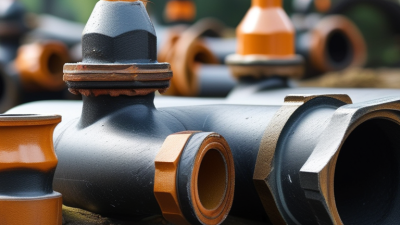
Material selection deserves practical testing. PVC is light and corrosion-resistant. Polypropylene handles many household chemicals and repeated temperature changes. Cast iron offers strength and quieter drainage, but requires heavier support. I once treated a neat-looking trap as a universal solution. It was not. Check seal dimensions, installation angles, temperature limits, and local standards before ordering. Product drawings can be incomplete, so request samples when tolerances matter. Measure twice. Drainage work is rarely forgiving.
Materials, Sizes, Shapes, and Connection Methods Explained
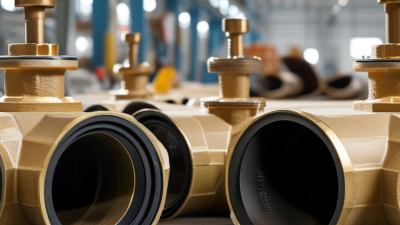
Waste pipe fittings vary widely in material, size, shape, and connection method. Choosing correctly begins with the drainage environment, not appearance. PVC is lightweight, corrosion-resistant, and common for residential systems. ABS handles impact well and suits colder working conditions. Cast iron offers strong sound reduction and fire resistance, but it requires careful handling. Stainless steel serves demanding commercial areas where hygiene and durability matter.
Sizes must match both the pipe diameter and the expected flow. Common waste systems use 32 mm, 40 mm, 50 mm, 75 mm, and 110 mm pipes, although regional standards differ. A 90-degree elbow changes direction sharply, while two 45-degree bends usually improve flow. Tees, wyes, reducers, traps, and cleanouts solve different installation needs. Measure the actual outside diameter. Nominal sizing can mislead buyers.
Connection methods include solvent welding, rubber-ring push-fit joints, threaded connections, and mechanical couplings. Solvent joints create a firm seal on compatible plastic surfaces, but poor cleaning can cause hidden leaks. Push-fit systems install quickly and allow limited movement. Rubber seals may age faster in heat or chemical exposure. Threaded fittings need controlled tightening; excessive force can damage plastic threads. I have seen fittings selected by price alone fail around crowded sink cabinets. The cheaper choice was not cheaper after repairs. Local codes, temperature, chemical exposure, and access for maintenance should guide every purchase. Some specifications still need a second review.
Global Buyer Standards, Quality Checks, and Purchasing Considerations
Global buyers should select waste pipe fittings by application, not price alone.
PVC-U suits many indoor drainage systems because it is lightweight and corrosion-resistant. PP handles higher temperatures and household chemicals more reliably. HDPE offers strong impact resistance, while cast iron can reduce noise in dense buildings. The World Bank’s What a Waste 2.0 report estimates global municipal waste could reach 3.40 billion tonnes annually by 2050. That growth increases pressure on dependable drainage infrastructure.
Quality checks must match local project conditions.
Buyers should verify outside diameter, wall thickness, socket depth, gasket compression, and pressure or leakage performance. For underground systems, check ring stiffness and long-term deformation data. ISO 3633, ISO 13264, EN 1451, and equivalent national standards can support technical comparisons. However, certificates alone are not enough. Inspect random cartons, measure fittings with calibrated tools, and request batch traceability. A small oval socket may cause a costly site failure. My practical concern is simple: many purchasing teams inspect samples, but ignore production consistency.
Tips:
Ask for test reports from independent laboratories. Confirm material type, recycled content, temperature limits, and chemical resistance. Check packaging before shipment; cracked sockets often reveal poor handling. Compare landed cost, not factory price. The WHO and UNICEF Joint Monitoring Programme reported that 3.5 billion people lacked safely managed sanitation in 2022. Buyers should therefore treat durability, repair access, and installation training as purchasing requirements, not optional extras.