Made in America

Get Connected With

JointsCouplings.com White Logo

Opening Hours M-F: 07:00 AM to 4:00 PM (PST)

7 Best Repair Couplings for Reliable Pipe Connections?

A dependable pipe connection can prevent leaks, downtime, and expensive water damage. This guide examines seven repair coupling options for practical pipe maintenance. Each option serves a different situation, from a small pinhole leak to a damaged section beneath a busy walkway.

A repair coupling must match the pipe’s outside diameter, material, and operating pressure. It should also suit the surrounding conditions. A stainless-steel sleeve may perform well on exposed metal piping, while a compatible polymer model can simplify repairs on plastic lines. Check the manufacturer’s pressure rating and installation instructions carefully. Small differences matter.

In field repairs, preparation often decides the result. Clean the pipe surface, remove sharp edges, and inspect the damage before tightening bolts. A coupling installed over dirt may leak again. Too much tightening can also deform the pipe or weaken the seal. Not ideal.

The seven products discussed here are compared by material quality, sealing design, installation method, service range, and long-term reliability. Evidence from manufacturer specifications and common plumbing practices guides the evaluation. Still, no coupling suits every pipe. Temperature, vibration, corrosion, and limited access can change the best choice.

Some repairs look simple but hide deeper problems. A split pipe may indicate freezing, movement, or excessive pressure. Replacing the coupling without checking the cause can create false confidence. Use this review as a practical starting point, then confirm critical repairs with a qualified pipe professional. Reliability begins before the package is opened.
7 Best Repair Couplings for Reliable Pipe Connections?

What Are Repair Couplings and How Do They Work?

What Are Repair Couplings and How Do They Work?

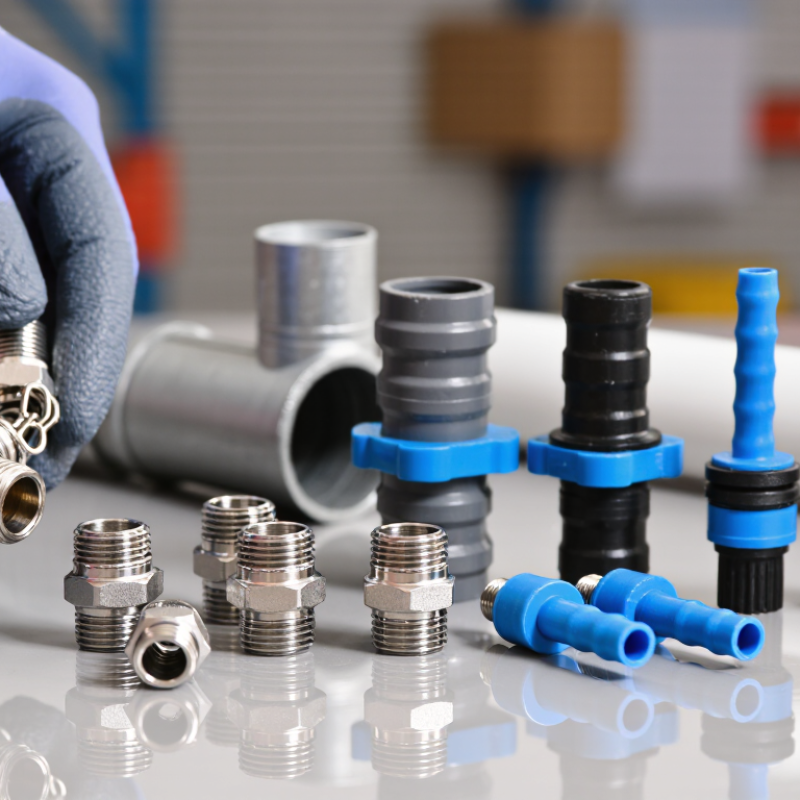
Repair couplings are mechanical fittings used to restore damaged pipe sections quickly. They connect two sound pipe ends or seal a localized leak. Most designs use a metal or durable polymer sleeve, sealing gaskets, and tightening bolts. The sleeve applies even pressure around the pipe. The gasket fills small surface irregularities and helps block water, air, or other approved fluids.

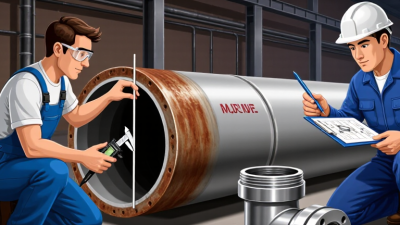
A typical installation begins with isolating and depressurizing the line. The damaged area must be cleaned carefully. Rust, soil, and sharp edges can weaken the seal. The installer measures the outside diameter, checks pipe compatibility, and positions the coupling over the defect. Bolts are tightened gradually and evenly. Uneven tightening is a common problem. It may distort the gasket or leave a small leak path. After installation, the line should undergo a controlled pressure test.

Repair couplings vary by application. Compression couplings suit many straight pipe repairs. Split-sleeve couplings can be installed where removing a pipe section is difficult. Full-circle clamps may handle pinholes or narrow cracks, but they are not universal solutions. Pressure rating, temperature, pipe movement, corrosion, and local installation rules all matter. Buried pipelines require extra attention to soil movement and external protection. A coupling can look secure while remaining unsuitable for long-term service. That uncomfortable check is worth making before the line is returned to operation.
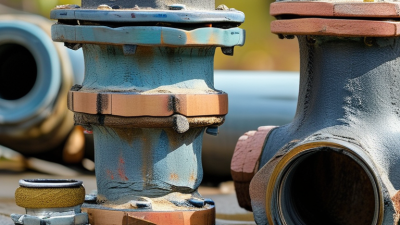
Key Types of Repair Couplings for Different Pipe Systems

7 Best Repair Couplings for Reliable Pipe Connections?

Choosing the right repair coupling depends on the pipe system, not only the leak size. Mechanical compression couplings suit many water and low-pressure lines. Full-circle repair clamps provide quick coverage around localized cracks. No-hub couplings work well on cast iron and drainage connections. Restrained couplings help prevent separation where pressure or ground movement is possible.

Flexible couplings absorb minor pipe movement and alignment changes. Transition couplings connect different pipe materials, such as steel to PVC. Flange adapters support equipment connections that need regular removal. For polyethylene systems, electrofusion repair couplings can create a strong, permanent joint when surfaces are prepared correctly. Each type has limits. There is no universal winner.

Tips: Confirm pipe outside diameter, material, pressure rating, and service temperature before ordering. Clean the pipe until the sealing surface feels smooth. Check gasket position carefully. Uneven tightening can cause leakage later. I prefer tightening in stages, then inspecting the joint under controlled pressure. Still, field conditions are rarely perfect. A coupling may fit technically but fail because the pipe has lost too much wall strength. When damage extends beyond the sealing area, replacing the section is often the more dependable repair.

Seven Reliable Repair Couplings Compared by Performance

7 Best Repair Couplings for Reliable Pipe Connections?

Seven Reliable Repair Couplings Compared by Performance

Repair coupling performance depends on movement, pressure, corrosion, and installation conditions. The seven practical options include stainless-band, wide-range, compression, mechanical-joint, restrained, transition, and flanged couplings. Stainless-band designs suit small leaks and short repairs. Wide-range couplings handle different outside diameters. Compression models install quickly, but soil movement can expose their limits. Restrained couplings perform better where pressure thrust or pipe separation is likely. Flanged couplings provide strong access points, although they require careful bolt alignment and more working space.

Field inspection often reveals the same weakness: rushed cleaning around the pipe. A coupling may look secure while grit damages its gasket. Keep it simple. Measure the actual outside diameter, not the nominal pipe size. Check pressure ratings against operating and surge conditions. AWWA guidance emphasizes correct gasket selection, bolt tightening, and joint restraint for dependable service. These details matter because the U.S. Environmental Protection Agency’s 2023 Drinking Water Infrastructure Needs Survey estimates $625 billion in needs over twenty years. Small installation errors can multiply across aging networks.

The ASCE 2021 Infrastructure Report Card rated U.S. drinking-water infrastructure C−. That rating reinforces the value of repair methods that reduce excavation time and future failures. My practical ranking favors restrained couplings for high-movement lines, wide-range units for uncertain dimensions, and stainless-band designs for controlled, low-pressure repairs. Still, this ranking is imperfect. Temperature, pipe ovality, chemical exposure, and installer skill can reverse the order. A coupling is only as reliable as the surface beneath it.

7 Best Repair Couplings for Reliable Pipe Connections? - Seven Reliable Repair Couplings Compared by Performance

Repair Coupling Type Typical Pipe Materials Typical Size Range Typical Working Pressure Typical Temperature Range Permitted Joint Gap Axial Restraint Installation Speed Best Application
Full-Repair Split Sleeve Coupling Steel, ductile iron, cast iron, PVC, PE 50–1200 mm
(2–48 in)
Up to 1.6 MPa
(232 psi)
−20 to 80 °C
(−4 to 176 °F)
Up to 25 mm
(1 in)
Limited unless restrained Fast Large cracks, pinholes, and localized pipe damage where cutting the pipe is undesirable.
Wide-Range Flexible Coupling Steel, ductile iron, cast iron, PVC, asbestos-cement 40–600 mm
(1½–24 in)
Up to 1.6 MPa
(232 psi)
−20 to 80 °C
(−4 to 176 °F)
Up to 10 mm
(0.4 in)
No, unless separately restrained Very fast Joining pipes with different outside diameters while allowing limited angular movement and vibration.
Stainless-Steel Band Repair Clamp Steel, copper, ductile iron, cast iron, PVC 15–300 mm
(½–12 in)
Typically up to 1.0 MPa
(145 psi)
−20 to 60 °C
(−4 to 140 °F)
Not intended for open gaps No Very fast Small holes, corrosion leaks, and emergency repairs on low- to medium-pressure lines.
Flanged Repair Coupling Steel, ductile iron, cast iron, PVC, PE with suitable adapters 50–1000 mm
(2–40 in)
Up to 2.5 MPa
(363 psi)
−20 to 80 °C
(−4 to 176 °F)
Up to 20 mm
(0.8 in)
High when anchored Moderate High-pressure repairs requiring a bolted, rigid connection or connection to valves and flanges.
Restrained Repair Coupling Ductile iron, steel, PVC, PE, cast iron 80–600 mm
(3–24 in)
Up to 1.6 MPa
(232 psi)
−20 to 60 °C
(−4 to 140 °F)
Up to 15 mm
(0.6 in)
Yes, by gripping rings Moderate Pressurized water mains where pipe pullout and longitudinal movement must be controlled.
Transition Repair Coupling Metal-to-plastic and different outside-diameter pipe combinations 50–400 mm
(2–16 in)
Up to 1.6 MPa
(232 psi)
−20 to 60 °C
(−4 to 140 °F)
Up to 10 mm
(0.4 in)
Usually limited Fast Connecting legacy metal pipe to modern plastic pipe during rehabilitation or service-line replacement.
Mechanical Compression Coupling Copper, PVC, PE, CPVC, steel with compatible inserts 15–110 mm
(½–4 in)
Typically up to 1.0 MPa
(145 psi)
0 to 60 °C
(32 to 140 °F)
Minimal; ends must be prepared No, unless mechanically restrained Fast Small-diameter service pipes where simple tools, accessible installation, and rapid reinstatement are important.

Note: The values shown are typical design ranges for commonly used repair-coupling configurations. Actual pressure, temperature, size, gap, and restraint limits depend on pipe outside diameter, coupling materials, gasket selection, bolt torque, fluid, installation conditions, and applicable standards. Always verify the manufacturer’s certified rating and local code requirements before use.

How to Choose the Right Repair Coupling for a Pipe Repair

Choosing the right repair coupling starts with accurate site information. Before ordering, isolate, drain, and clean the damaged section. Measure the pipe’s actual outside diameter, not only its nominal size. Old drawings can be wrong. A few millimeters may affect sealing performance.

Check the pipe material, wall condition, operating pressure, temperature, and transported fluid. For a small leak, a full-circle repair clamp may provide a practical solution. A longer crack may require a wider clamp or split sleeve that spreads the load. If the pipe ends cannot move, avoid using a nonrestrained coupling without additional support. Ground movement and internal pressure can push joints apart. Flexible couplings allow movement, but excessive movement can fatigue the seals. Choose gasket material for the fluid and temperature. EPDM is useful in many water systems, but it is not universal.

Installation quality matters as much as product selection. Remove sharp rust and debris, center the coupling, and tighten bolts in a cross pattern. Use a calibrated torque wrench when the instructions provide a torque value. Pressurize the line gradually, then inspect the joint for seepage or shifting. Small details matter. In field repairs, I have seen correctly sized couplings fail because installers ignored uneven pipe surfaces. A coupling chosen by size alone is a mistake I still see. Always confirm pressure ratings, clearance, restraint needs, and applicable local standards before work begins.

Step-by-Step Installation and Maintenance Guidelines

Reliable pipe connections depend on careful installation, not only on choosing one of the seven best repair couplings. Select a coupling that matches the pipe material, outside diameter, pressure rating, and service temperature. A compression coupling suits many repairs, while a restrained mechanical coupling may handle movement better. Measure twice. Small errors can cause serious leaks.

Clean and deburr both pipe ends before assembly. Mark the insertion depth with a pencil. Loosen the coupling, position it evenly, and push each pipe end to the marked line. Tighten bolts gradually in a diagonal pattern when applicable. Do not force the joint with excessive torque. Follow the supplied torque guidance and use a calibrated wrench. I have seen rushed tightening distort seals. Pressure-test the repaired section slowly, checking every edge with a dry cloth.

Tips: Keep sealing surfaces dry and free from grit. Support heavy pipes near the coupling. Recheck the joint after the first pressure cycle and again after temperature changes. Record the installation date, pipe size, torque, and test pressure. During maintenance, look for damp soil, staining, corrosion, shifted alignment, or unusual vibration. A slightly loose bolt may be harmless, but guessing is poor practice. Shut down and isolate the line before inspection. Replace damaged seals rather than stretching them into place.