
Made in America
Get Connected With



Choosing Energy efficient aluminum windows can feel straightforward until performance labels, frame designs, and installation details compete for attention. Aluminum is strong, slim, and highly durable. However, its natural conductivity can reduce thermal performance without a proper thermal break. This detail matters during cold mornings and hot afternoons.
This guide explores seven practical tips for making a more reliable choice. It considers U-values, solar heat gain, glazing, frame construction, air leakage, installation quality, and long-term maintenance. These factors work together. A high-quality window can still perform poorly when fitted carelessly around the frame. Check the evidence.
Look for tested ratings from recognized certification bodies, not vague claims such as “green” or “super insulated.” Compare the window’s whole-unit performance, rather than judging glass alone. A showroom sample may look impressive, but the final result depends on orientation, climate, shading, and workmanship. Small gaps can create noticeable drafts beside a bedroom or kitchen window.
There is no perfect option. Budget, appearance, ventilation, and energy savings may conflict. Even experienced buyers can overlook condensation risks or the need for professional installation. A careful comparison helps reveal those weaknesses before purchase. The goal is not simply to choose the most expensive product. It is to select a suitable aluminum window with verified performance, dependable construction, and installation advice that matches the building.
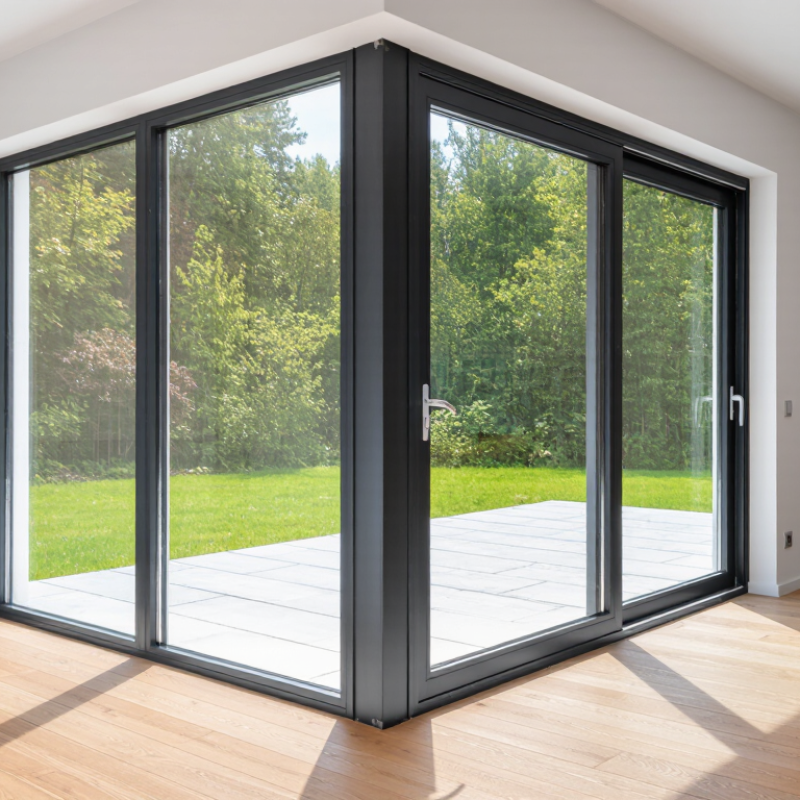
Choosing efficient aluminum windows starts with understanding heat flow, not appearance. The U.S. Department of Energy estimates that windows can cause 25–30% of household heating and cooling energy use. Aluminum transfers heat quickly, so thermal breaks are essential. They separate the inner and outer frame with an insulating material. Check the U-factor. Lower values indicate better insulation.
Also review the solar heat gain coefficient, or SHGC. A lower SHGC can reduce summer overheating, especially on sunny façades. The National Fenestration Rating Council recommends comparing certified U-factor, SHGC, visible transmittance, and air-leakage ratings.
Look for low-emissivity glass. Consider double glazing. Triple glazing may help in colder climates, but the frame and installation still matter. Poor seals waste performance.
Small details matter. Inspect corner joints and drainage paths. Ask whether the thermal break runs continuously through the frame. Check the window’s air-leakage rating, not just its glass. Confirm that installation includes perimeter insulation and weather sealing. I once focused too heavily on a low U-factor. The frame still felt cold.
Use local climate data before choosing SHGC. The International Energy Agency reports that buildings remain a major source of global energy demand, making envelope improvements increasingly important. Yet efficiency ratings are not magic. A well-rated window installed out of square may leak air. Ask for certification records, warranty conditions, and installation details. Test the sample near a cold room corner, if possible. Condensation is a warning sign.
Choosing energy-efficient aluminum windows starts with the frame, not the showroom finish. In my field experience, a narrow profile often looks efficient, but appearance proves little. Check the frame’s thermal performance, air leakage rating, drainage design, and wall connection. A poorly sealed perimeter can waste energy even when the window performs well. Ask for tested U-values under recognized standards, and compare the complete window assembly, not the center glass alone. Numbers need context.
Glass selection changes comfort beside the window. Double glazing can suit moderate climates, while triple glazing may help in colder regions. Low-emissivity coatings reduce radiant heat transfer, but they should match the building’s orientation. Strong solar-control glass may reduce summer heat, yet it can limit useful winter sunlight. Consider visible light, solar heat gain, and condensation risk together. I once focused too heavily on U-value and overlooked glare near a west-facing desk. That mistake changed my checklist.
Thermal breaks separate interior and exterior aluminum with a less conductive material. Look for continuous, well-engineered breaks around the sash and frame. Weak interruptions can create cold spots, damp edges, and uncomfortable drafts. Installation matters just as much. Confirm insulation continuity, sill flashing, and airtight seals before the trim covers them. Request test reports, installation guidance, and warranty terms in writing. If specifications seem vague, pause. Energy savings are not guaranteed by materials or labels alone. Some assumptions deserve another check.
Choosing energy-efficient aluminum windows requires more than comparing attractive frames. Read the performance label carefully, and compare windows with similar sizes and opening styles. The U-factor measures heat transfer through the entire window. Lower values generally indicate better insulation. In a cold climate, this rating deserves close attention because warm indoor air can escape through weak glazing and frames. Aluminum conducts heat quickly, so a thermal break inside the frame is important. It can reduce the cold edge often felt near the glass.
Solar Heat Gain Coefficient, or SHGC, shows how much solar energy enters the room. A lower SHGC can help keep bedrooms cooler in hot, sunny regions. However, a higher value may provide useful winter warmth in colder areas. Direction matters too. A large south- or west-facing window may need a different SHGC than a shaded north-facing window. Do not compare numbers blindly. Glass coatings, gas fills, frame design, and installation all affect real performance.
Air leakage ratings also deserve attention, especially in windy locations. During a renovation, a well-rated window still performed poorly because the surrounding opening was not sealed carefully. That mistake was easy to miss. Check certified test data, warranty terms, and local installation requirements before choosing. Window ratings describe laboratory conditions, not every home. Measure comfort near the frame, watch afternoon glare, and question any specification that seems too good to be true.
Compare window ratings before selecting an aluminum frame. Lower U-factor means better insulation, while Solar Heat Gain Coefficient (SHGC) indicates how much solar heat enters through the glass.
The chart uses representative whole-window performance values commonly associated with major glazing configurations. Actual ratings vary by glass coating, spacer, frame design, size, and climate. Choose a lower U-factor in heating-dominated climates, and select SHGC according to local solar exposure and heating or cooling needs.
7 Tips for Choosing Energy Efficient Aluminum Windows
Choosing the right installation method can improve insulation as much as selecting efficient glass. Begin with a square, clean opening. Uneven masonry can leave hidden gaps around the frame. Check the sill with a level. It should drain outward, not toward the room. A sloped sill pan helps redirect water and protects vulnerable joints.
Use compatible flashing around the frame. Seal the exterior perimeter with a durable weather seal, while keeping drainage paths open. Do not block weep holes. Inside, low-expansion foam can fill narrow cavities without bending the aluminum frame. Backer rod and interior sealant create a tighter air barrier. Too much foam is a common mistake. It can distort the frame and affect operation.
Thermal shims should support the frame without creating unnecessary heat bridges. Fasteners need correct spacing and firm placement, but overtightening can twist the unit. After installation, open and close each sash several times. Inspect corners for daylight. An infrared camera or smoke pencil can reveal air leakage that is easy to miss. Local building codes and written installation instructions should guide the final method. A qualified installer can also check moisture risks before the wall is closed. Field conditions are rarely perfect. Even careful work may need adjustment after the first winter.
Balancing Energy Performance, Durability, and Long-Term Cost
Energy performance should begin with the whole window, not the aluminum frame alone. The U.S. Department of Energy reports that windows can cause up to 30% of residential heating and cooling energy use. Choose thermally broken frames, low-emissivity glazing, and insulated glass units. Compare U-factor, solar heat gain coefficient, visible transmittance, and air-leakage ratings. Lower U-factors usually improve insulation. However, excessive solar control can reduce useful winter heat. Climate matters.
Check independent performance labels, installation requirements, and verified test results. The ENERGY STAR Residential Windows, Doors, and Skylights report states that replacing single-pane windows can reduce annual heating and cooling costs by about 12%.
Ask for the tested whole-window value. Do not judge glass alone. Inspect drainage paths, corner joints, gaskets, and hardware. These small details often decide durability.
Aluminum can last for decades when protected from moisture and corrosion, but thermal breaks must remain continuous around the frame. A 2023 building-envelope assessment from the National Fenestration Rating Council emphasizes consistent ratings for comparing window products. Review warranty terms, maintenance access, and local repair costs before purchasing.
I once focused too heavily on the lowest U-factor. The installation was poor. The savings were disappointing. That mistake still matters.
Pay for careful fitting, accurate flashing, and sealed joints. A cheaper window may cost more after repeated adjustments, condensation damage, or premature replacement.