What is a plumbing coupling and how does it work?
In the world of plumbing, understanding plumbing couplings is essential. These components link pipes together, allowing for seamless fluid movement. John Smith, a plumbing industry expert, once noted, "Plumbing couplings are the unsung heroes of our systems." His perspective highlights their importance.
Plumbing couplings come in various types, suited for different applications. They vary in material, size, and design. For example, a PVC coupling is ideal for drainage systems, while a copper coupling works well for heating applications. Each type serves a specific function, making knowledge of them crucial for efficient plumbing.
However, many overlook their significance. Failing to choose the right coupling can lead to leaks. Ensuring a proper seal is vital in preventing water damage. As we explore plumbing couplings, it’s clear that making informed choices is essential. Even small errors can cause significant issues. Understanding these components helps both professionals and homeowners achieve optimal plumbing solutions.
What is a Plumbing Coupling?
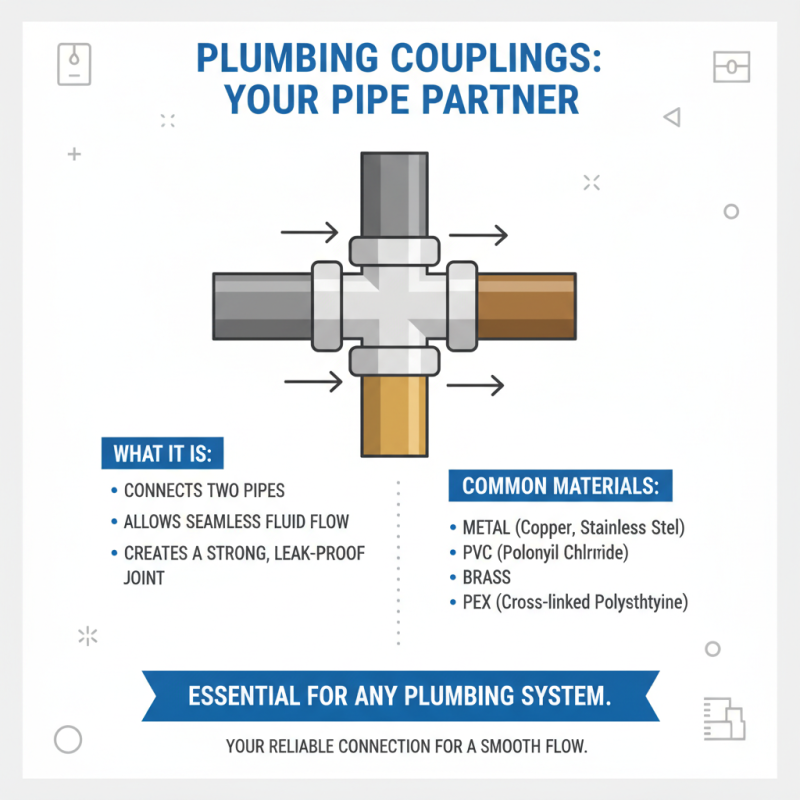
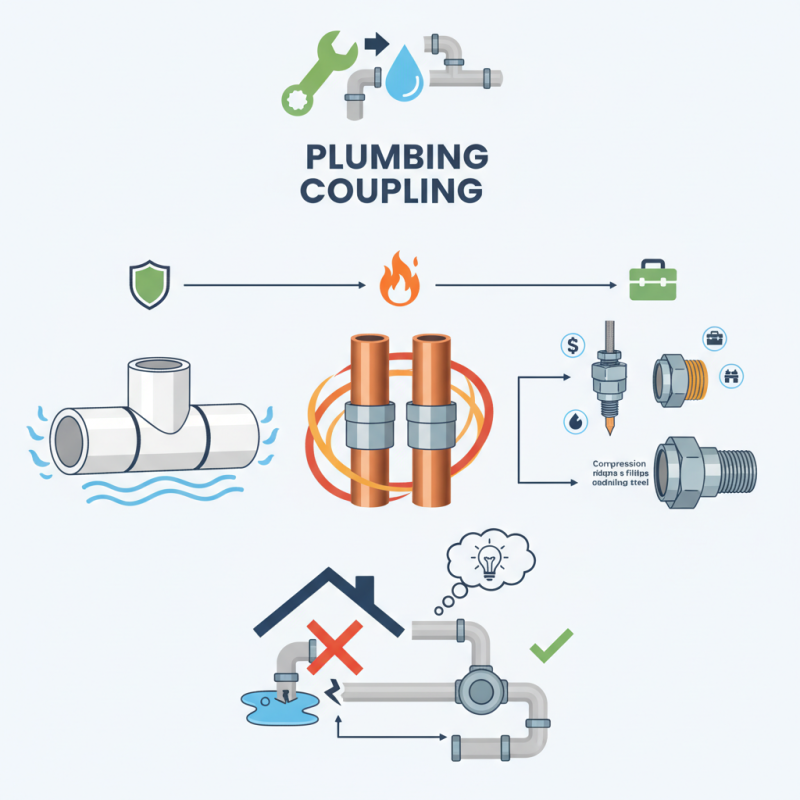
A plumbing coupling is a vital component in any plumbing system. It connects two pipes together, allowing fluid to flow seamlessly between them. Couplings can be made of various materials, such as metal, PVC, or brass. They serve an essential purpose: to create a strong, leak-proof connection.
There are different types of couplings. Some are designed for rigid pipes, while others are used with flexible tubing. Slip couplings slide over the pipe ends, while threaded ones screw into place. The choice of coupling depends on factors like pipe material and desired flexibility. Many people overlook the importance of selecting the right type, which can lead to leaks later on.
Installation of a plumbing coupling requires attention to detail. Ensure the pipes are clean and well-prepared. Improper alignment can cause stress and failure. It’s common for DIY enthusiasts to rush through this step, which might result in future problems. Taking your time helps to avoid costly mistakes down the line.
Types of Plumbing Couplings and Their Uses
Plumbing couplings are essential components in any plumbing system. They connect two pipes, allowing fluid to flow smoothly between them. Different types of couplings serve specific functions. Understanding their uses can help in selecting the right one for a project.
One common type is the slip coupling. This coupling allows for easy adjustment in pipe lengths. It's widely used in repairs and modifications. Another type, the threaded coupling, provides a secure connection. It can be found in various sizes and is often used for metal pipes. There are also flexible couplings, which accommodate slight movements. These are vital in areas prone to vibrations or shifts.
Choosing the right coupling isn’t always straightforward. Sometimes, it's easy to overlook compatibility issues. Installing the wrong type can cause leaks. Many DIY enthusiasts encounter such challenges. It’s crucial to double-check specifications before proceeding. A little research can prevent big headaches later.
What is a plumbing coupling and how does it work? - Types of Plumbing Couplings and Their Uses
| Type of Coupling |
Description |
Common Uses |
Material |
| Coupling |
A fitting used to connect two pipes together |
Water supply lines, drainage |
PVC, Copper, Brass |
| Slip Coupling |
Allows for adjustment and alignment of pipes |
Repairing broken pipes |
PVC |
| Screw Coupling |
Features threaded ends for secure connection |
Gas lines, hydraulic systems |
Brass, Stainless Steel |
| Reducing Coupling |
Connects pipes of differing diameters |
Transitioning between pipe sizes |
PVC, Copper |
How Plumbing Couplings Function in Water Systems
In plumbing systems, couplings play a vital role. They connect two pipes, allowing the flow of water.
These fittings may seem small but are significant in ensuring efficient water distribution.
A coupling provides a tight seal, preventing leaks.
When pipes expand or contract, the coupling absorbs this movement, which is crucial in preventing breakage.
Understanding how plumbing couplings function helps in maintenance. A well-installed coupling minimizes the
risk of water damage. However, improper installation can lead to failures. Many homeowners overlook this.
Corrosion and debris can also affect performance. Regular checks are essential.
They can spot early signs of wear.
In some cases, a coupling may not fit as expected. It can lead to pressure issues or leaks, which are frustrating.
Choose couplings that fit your pipes correctly. Watch for unique conditions in your plumbing system.
Each feature can impact how water flows. Identifying these factors is important for long-lasting plumbing.
Installation Process of Plumbing Couplings
Plumbing couplings are vital for joining pipes. Their installation requires attention to detail. The process begins with selecting the right coupling for pipe materials. A study showed that incorrect couplings can lead to leaks and pressure issues.
After selecting, cut the pipes to the right length. Ensure the edges are smooth to prevent damage. Attach the coupling to one pipe, aligning it properly. A significant number of DIY installations result in misalignment. It’s a common issue, often overlooked.
Securing the coupling tightly is essential. Use appropriate tools to avoid loosening over time. Data suggests that properly installed couplings enhance overall system integrity. However, many installations fail due to haste. Check connections regularly to ensure long-term effectiveness.
Plumbing Couplings Usage Statistics
Common Issues and Maintenance Tips for Plumbing Couplings
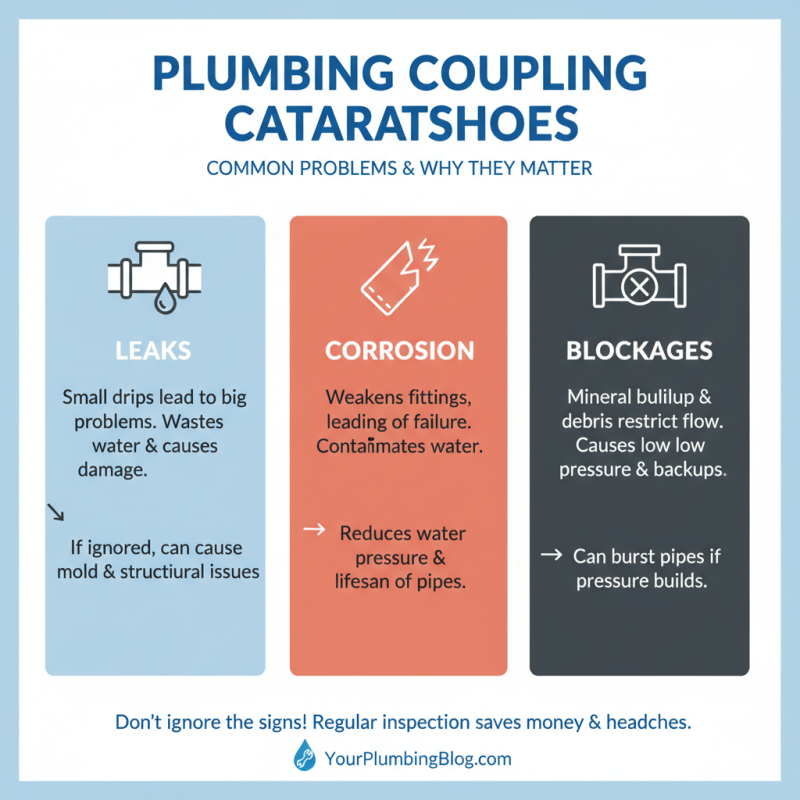
Plumbing couplings connect pipes and fixtures in your plumbing system. They are vital for ensuring proper water flow. However, these fittings can face various issues over time. Common problems include leaks, corrosion, and blockages. A small leak can grow larger if not addressed promptly. Corroded couplings may weaken and fail, causing water damage.
Maintaining plumbing couplings is essential. Regular inspections can help you catch issues early. Look for signs of rust or water accumulation. Tightening loose fittings can prevent leaks from developing. Moreover, using appropriate sealants can enhance the longevity of these connections. Be mindful of the materials used, as some may degrade faster than others.
If a coupling fails, it’s important to act quickly. Ignoring the problem might worsen the situation. Sometimes, replacing a coupling can be the best solution. When doing this, choose the right size and type for your system. An incorrect fit can lead to future headaches. By staying proactive, you can ensure your plumbing remains in good working order.