How to Choose Plumbing Couplings in 2026?
Choosing the right plumbing couplings in 2026 requires more than matching pipe diameters. A reliable connection must suit the pipe material, operating pressure, temperature, water quality, and installation environment. A coupling that works well on copper may perform poorly on PEX, PVC, stainless steel, or multilayer pipe. The wrong choice can cause leaks behind walls, noisy movement, or difficult future repairs.
Experienced plumbers usually begin with the system’s specifications, not the product’s appearance. Check the manufacturer’s technical sheet for pressure ratings, temperature limits, compatible fluids, and approved pipe dimensions. Compression, push-fit, press-connect, threaded, and solvent-weld couplings each demand different preparation. A clean pipe end matters. So does correct insertion depth. In a cold utility room, a dry-fit connection may feel secure but still fail after repeated temperature changes. Small details matter.
Field experience also suggests inspecting the coupling after installation. Look for uneven gaps, damaged seals, twisting, or visible pipe movement. Use the recommended tool and follow the testing procedure before closing walls or flooring. Independent certifications can strengthen confidence, but they should not replace professional judgment. A trusted supplier and clear documentation are valuable safeguards.
There is no perfect coupling.
Even careful selection can miss an unusual site condition, such as contaminated water or limited access. That possibility deserves honest consideration. This guide explains how to compare plumbing couplings in 2026, avoid common selection errors, and build connections that remain serviceable, safe, and dependable over time.
Understanding Plumbing Couplings and Their Main Functions
How to Choose Plumbing Couplings in 2026?
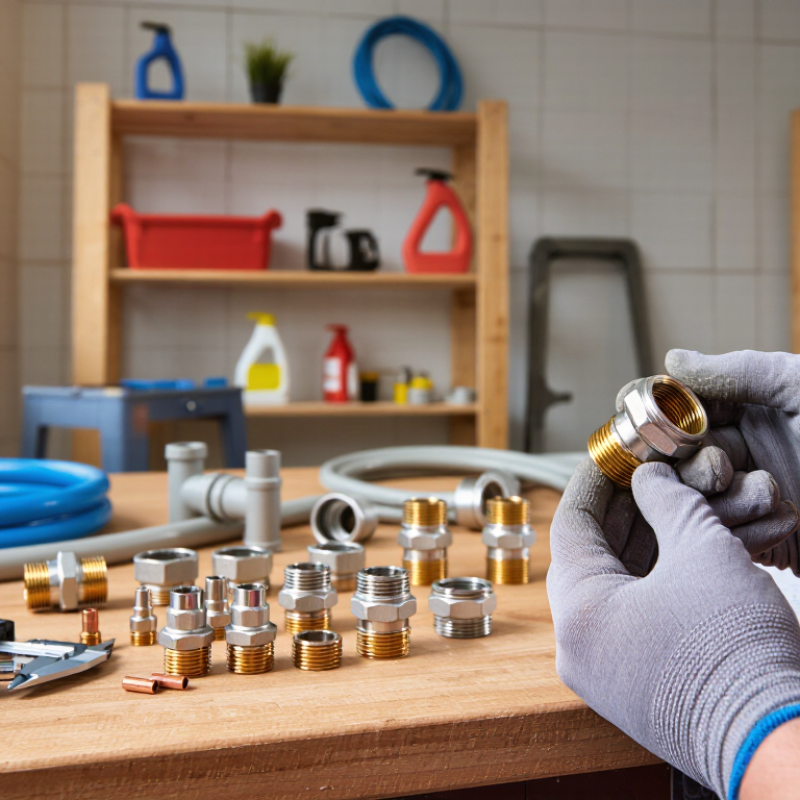
Choosing a plumbing coupling starts with understanding its main function. A coupling joins two pipe sections and restores a continuous flow path. It can connect identical diameters or adapt between different sizes. In field repairs, a coupling often avoids replacing a longer pipe section. I have seen small alignment errors create persistent leaks. The fitting is simple, but surrounding conditions are not. Good selection considers pipe material, outside diameter, pressure, temperature, and water chemistry.
Compression couplings use nuts and seals to grip pipe without threading. They help when access is limited, although seal inspection remains important. Threaded couplings need compatible threads and careful tightening. Too little force leaks. Too much can damage threads or split a fitting. Solvent-welded couplings create rigid joints for compatible plastic systems. Flexible couplings tolerate slight movement and uneven pipe ends. That tolerance is useful. It is not unlimited.
Before choosing, measure the actual pipe, not only its label. Check whether the joint will remain dry, supported, and accessible. A coupling exposed to vibration may need stronger restraint. A buried connection requires materials suited to soil and moisture. Follow the applicable installation standard and the fitting manufacturer’s instructions. I would test the joint gradually, watching for drops near the seal. One overlooked detail is future access. A perfectly sealed coupling can still be a poor choice if nobody can reach it later.
Comparing Coupling Types for Different Plumbing Applications
How to Choose Plumbing Couplings in 2026?
Choosing a coupling starts with the pipe material, pressure, temperature, and access space. Compression couplings suit many repairs because they need limited equipment. They also allow future disassembly. Soldered couplings create a compact copper connection, but nearby insulation must be protected from heat. Threaded couplings work well on metal pipes and serviceable equipment. However, damaged threads can cause slow leaks.
Press-fit couplings save installation time and avoid open flames. They are useful in occupied buildings and narrow cabinets. Push-fit couplings offer similar convenience, especially during emergency repairs. Their sealing rings must match the pipe surface and diameter precisely. Flexible couplings can connect different materials or absorb slight movement. They may be unsuitable where high pressure or excessive vibration exists. A coupling is not automatically universal.
Tips: Check the pipe’s outside diameter, not only its nominal size. Clean and deburr every pipe end. Inspect the seal before assembly. Follow the fitting’s pressure and temperature limits. Keep a small test section accessible when possible. Local plumbing requirements still matter.
A practical inspection lesson is simple: most coupling failures begin with preparation, not the fitting itself. I used to focus too heavily on installation speed. That judgment can be flawed. A slower, verified connection often prevents concealed moisture damage. Choose the least complicated coupling that safely matches the application, access conditions, and maintenance needs.
How to Choose Plumbing Couplings in 2026?
Comparing Coupling Types for Different Plumbing Applications
The chart compares common coupling types across typical plumbing applications using a 1–5 suitability index.
The scores are a practical comparison based on connection method, material compatibility, installation requirements,
serviceability, and common use cases. Always verify local plumbing codes and manufacturer instructions before installation.