
Made in America
Get Connected With



Choosing an Industrial Gas Alarm system is a safety decision, not merely a purchasing exercise. The right equipment must match the gases, processes, room layout, and people working nearby. A detector designed for oxygen deficiency may not suit combustible gas monitoring. That difference matters.
Begin with a practical site assessment. Identify possible leak points, ventilation patterns, ignition sources, and worker locations. Consider whether gases are lighter or heavier than air. A ceiling-mounted sensor may miss a heavy gas collecting near the floor. Check the required detection range, response time, alarm levels, and environmental rating. Dust, humidity, vibration, and temperature can affect performance. Small details matter.
Reliable selection also depends on evidence. Review independent test results, certification documents, calibration procedures, service support, and manufacturer experience. Confirm that alarms can connect with ventilation controls, emergency shutdown systems, or local indicators when appropriate. Do not judge quality by the display alone. A bright screen cannot compensate for poor sensor placement.
No system is perfect. Calibration can be forgotten. Batteries can weaken. Staff may ignore repeated alarms. These risks deserve honest attention during planning. A useful system includes training, inspection records, replacement schedules, and clear response procedures. Ask difficult questions before installation. What happens during a power failure? Who receives the alarm at night? Can technicians test every sensor safely?
This guide explains how to compare Industrial Gas Alarm technologies, installation choices, maintenance needs, and total ownership costs. The goal is simple: create dependable warning time before a small leak becomes a serious workplace event.
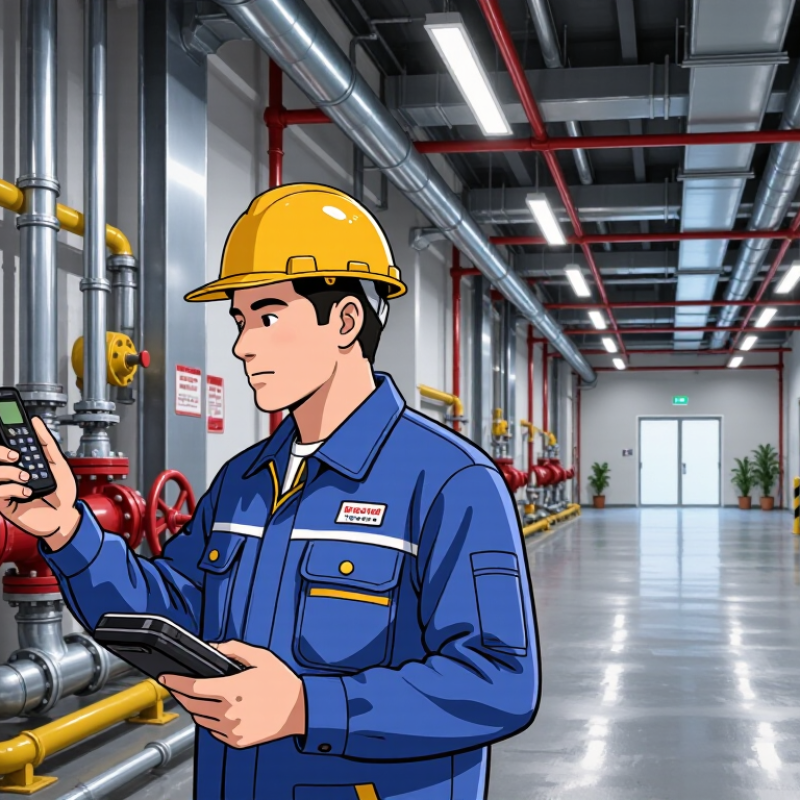
Choosing an industrial gas alarm system starts with defining the hazard, not selecting a detector. List every possible release: toxic gases, oxygen deficiency, combustible vapors, and process-specific mixtures. The NIOSH Pocket Guide identifies exposure limits for hundreds of substances, including ceiling limits and IDLH values. These numbers should shape alarm thresholds, sensor locations, and worker response plans.
Oxygen monitoring needs special attention. OSHA defines an oxygen-deficient atmosphere as below 19.5% oxygen. A confined tank, pit, or poorly ventilated valve room can change rapidly. For combustible gases, monitoring should reflect the lower explosive limit, ventilation pattern, and likely release point. A single ceiling-mounted sensor may miss a heavier-than-air gas near the floor. That is a common design mistake. Monitoring goals must also be measurable: early leak warning, evacuation protection, process control, or confirmation that an area is safe to enter.
Tips: Map the gas path before mounting sensors. Review Safety Data Sheets, NIOSH limits, and OSHA requirements with a qualified industrial hygienist. Set alarm levels around the actual hazard, not convenient defaults. Test alarms under realistic conditions, including cold starts, blocked airflow, and power loss. Document calibration intervals and response times. One overlooked detail matters: workers may hear an alarm but still lack clear instructions. A short drill can reveal that weakness. Recheck the design after equipment changes, because the original risk assessment may no longer fit.
Choosing an industrial gas alarm system starts with the hazard, not the display panel. In plant inspections, I look at the gas, release points, ventilation, temperature, and maintenance access. A sensor placed beside a doorway may miss a heavier-than-air gas collecting near the floor. That mistake is easy to make.
Electrochemical sensors suit many toxic gases and oxygen monitoring. They usually provide good selectivity, but humidity, temperature changes, and cross-sensitivity can affect readings.
Catalytic bead sensors detect combustible gases through oxidation. They are practical for many flammable hazards, yet low oxygen levels or sensor poisons may reduce their response.
Infrared sensors measure gas absorption without consuming the target gas. They often perform well in harsh areas, although installation costs and gas-specific limitations need review.
Photoionization detectors can identify many volatile organic compounds, but they do not measure every vapor equally.
Sensor technology is only one decision. Fixed systems support continuous monitoring, alarms, and connection to ventilation or shutdown controls. Portable detectors add value during confined-space entry, maintenance, and leak investigation.
I prefer comparing response time, detection range, calibration intervals, ingress protection, and alarm visibility together. Test the sensor where workers actually breathe.
Check the alarm beside running machinery, too. Noise can hide a warning.
Specifications can look convincing on paper. Real conditions are less tidy. A small installation trial may reveal condensation, access problems, or unexpected interference before full deployment.
Calibration records, bump tests, trained operators, and clear response procedures remain essential.
No sensor compensates for neglected maintenance.
Choosing an industrial gas alarm system starts with a site-specific hazard assessment. Map the gases, release points, airflow, occupancy, and emergency exits. A detector near a valve may respond quickly, while one near a ceiling may suit a lighter-than-air gas. Heavy gases need low-level coverage.
Coverage is not simply a matter of installing more sensors. Place fixed detectors near likely leaks, enclosed spaces, and ventilation weaknesses. Use portable monitors for maintenance, confined access, and temporary work areas. Alarm beacons and sounders should remain visible and audible during normal production noise. Small gaps matter.
System architecture should match the site’s risk and operating discipline. A local control panel can provide clear zone alarms, while a monitored network can send signals to a control room. Consider independent power, battery capacity, communication failure, and safe shutdown interfaces. Critical areas may need redundant detection or separate alarm paths. Keep gas alarms distinct from general fire notifications, so operators understand the response.
I have seen clean layouts fail because nobody checked sensor access after equipment moved. That is easy to overlook. Review detector heights after pipework changes, and record calibration, bump testing, and alarm response times. Follow applicable safety standards, site procedures, and sensor instructions. A drawing is not proof of protection. The system should be tested under realistic conditions, then reviewed when ventilation, staffing, or process conditions change.
Compliance should be checked before comparing detection ranges or display features. OSHA estimates that its Process Safety Management standard protects about three million workers across 25,000 workplaces (OSHA, Process Safety Management Overview). Your system should support documented hazard analysis, alarm response, training, and inspection records. IEC 60079-29-1 provides performance guidance for flammable gas detectors. IEC 61511 addresses safety instrumented functions and lifecycle management. Do not treat certification as a complete safety argument.
Reliability depends on the whole detection chain. Consider sensor response time, fault indication, power-loss behavior, communication integrity, and alarm audibility. Test coverage matters. A detector mounted behind a pipe may satisfy a drawing but miss a rising gas cloud. Maintenance teams should define bump-test and calibration intervals from the risk assessment, operating environment, and manufacturer instructions. HSE research on gas detection emphasizes planned testing and correctly positioned sensors (HSE, RR1055, Gas Detection in the Workplace).
Small details matter.
Keep spare sensors, test gas, and clean sampling lines available. Record every failed test, not only successful results. In field reviews, maintenance records often look complete while overdue actions remain open. That is an uncomfortable weakness. Review alarm setpoints after process changes, ventilation modifications, and new gas inventories. The 2023 CCPS Process Safety Performance report also highlights leading indicators, such as overdue safety-critical maintenance, as practical warning signals. A reliable system is not merely installed. It is tested, challenged, and improved throughout its service life.
Choosing an industrial gas alarm system starts with the site, not the catalog. Identify the gases, likely leak points, ventilation patterns, and worker exposure zones. A detector suitable for a quiet storage room may fail in a humid, dusty process area.
Walk through the facility with maintenance staff. Their practical observations often reveal blind spots in drawings. Check temperature, vibration, washdown routines, and access for calibration. Fixed sensors may suit continuous risks, while portable units can support inspections and temporary work. Match sensor technology to each gas. Do not assume one sensor type covers every hazard.
Budget decisions should include installation, calibration, replacement sensors, training, and emergency testing. A low purchase price can become expensive after repeated service visits. Alarm levels should be clear, audible, and visible from occupied areas. Remote notifications can help, but they should not replace local alarms. The system also needs records that show test dates, faults, and corrective actions.
Avoid paying for features nobody will use. Yet cutting maintenance support is a risky shortcut. I have seen projects specify advanced connectivity before confirming basic sensor coverage. That order needs rethinking. Choose a system that fits today’s risks, leaves reasonable room for expansion, and can be maintained by trained personnel. Test it under realistic conditions, including blocked access, noisy machinery, and a simulated ventilation failure.