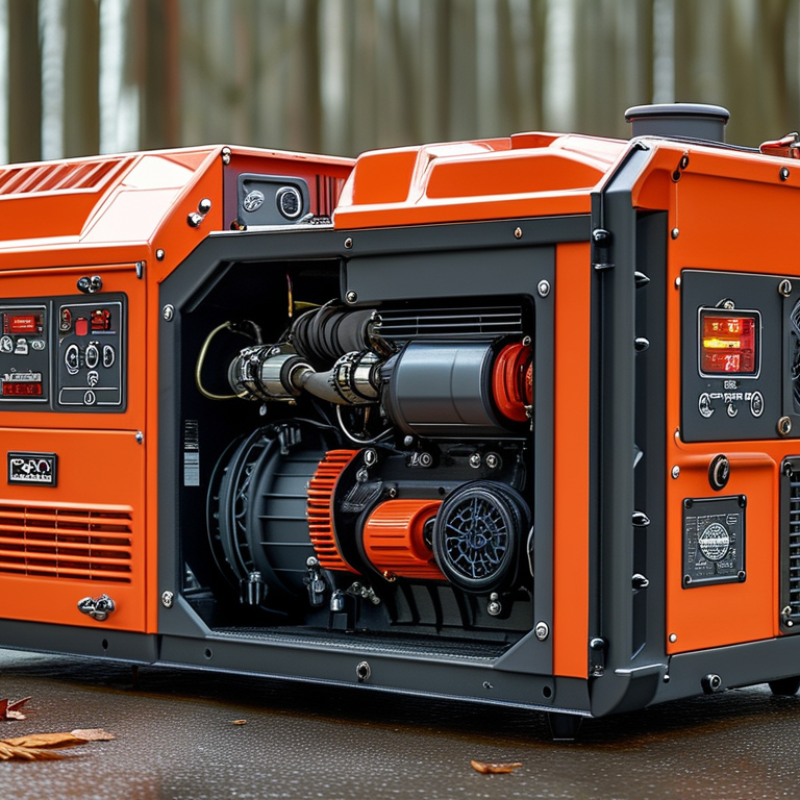
How to Choose the Best Emergency Generator for Your Needs?
Choosing the right Emergency Generator is crucial for your safety and comfort during outages. With various options available, understanding your specific needs is key. Generators differ in size, fuel type, and power output. These factors directly impact your decision.
Consider your home’s power requirements. Calculate the wattage needed for essential appliances. Do you require a portable unit or a permanent installation? Each option offers different benefits and drawbacks.
Moreover, reliability and fuel efficiency matter. Research brands and read reviews. Expert opinions can guide you towards a trustworthy choice. Your Emergency Generator should not only meet your needs but also perform well under pressure. Finding the ideal generator requires thought, reflection, and a little trial and error.
Understanding Your Power Needs and Load Requirements
Understanding your power needs is essential when selecting an emergency generator. Assessing the total wattage of your appliances can help you make an informed decision. Small devices, like phones and laptops, require minimal power. However, larger items, such as refrigerators, heaters, or air conditioners, consume significantly more energy.
Start by listing the essentials. Identify which devices are crucial during outages. Calculate their combined wattage. This number will guide your generator choice. Don't forget to consider surge watts. Many appliances require extra power to start. For instance, a refrigerator may need 1,200 watts during normal operation but up to 2,000 watts to start.
Think about fuel types too. Gasoline generators are common but can be tricky to store. Diesel generators generally offer better efficiency and longevity. Propane options are also available but may require additional equipment. It's vital to reflect on your long-term needs and lifestyle. Sometimes, smaller generators can feel inadequate. But they often meet basic needs effectively. A little planning ensures you have reliable power when it matters most.
Types of Emergency Generators Available in the Market
When selecting an emergency generator, it's vital to understand the types available in the market. You can find portable generators, standby generators, and inverter generators. Each type serves a different purpose depending on your needs.
Portable generators are designed for quick deployment. They are often lightweight and easy to transport. These generators are suitable for short power outages or outdoor activities. However, they require manual setup. This aspect can be inconvenient during emergencies when time is crucial.
Standby generators offer a more permanent solution. They connect directly to your home’s electrical system. Automatic transfer switches can activate them during power failures. These machines can power essential appliances seamlessly. One downside is the higher installation cost. Inverter generators provide clean energy, making them ideal for sensitive electronics. Unlike their counterparts, they are quieter but typically have lower power output.3
How to Choose the Best Emergency Generator for Your Needs? - Types of Emergency Generators Available in the Market
| Generator Type | Power Output (Watts) | Fuel Type | Run Time (Hours) | Noise Level (dB) | Weight (lbs) |
| Portable Generator | 3000 - 7500 | Gasoline | 6 - 12 | 60 - 70 | 30 - 100 |
| Standby Generator | 8000 - 20000 | Natural Gas, Propane | Unlimited | 55 - 65 | 300 - 1000 |
| Inverter Generator | 1000 - 3000 | Gasoline | 8 - 15 | 50 - 60 | 20 - 50 |
| Diesel Generator | 5000 - 15000 | Diesel | 8 - 12 | 65 - 75 | 100 - 500 |
| Solar Generator | 300 - 2000 | Solar | Variable (dependent on solar availability) | 30 - 50 | 20 - 60 |
Key Features to Consider When Choosing a Generator
When selecting an emergency generator, several key features are vital. First, consider the power output. Understand your essential appliances' wattage and choose a generator that meets those needs. Too little power will leave you in the dark. Also, evaluate how long the generator can run on a full tank. A longer run time can provide assurance during extended outages.
Fuel type is another crucial factor. Generators primarily use gasoline, diesel, or propane. Each fuel type has its pros and cons. Gasoline is broadly available but can expire quickly. Diesel is efficient but harder to find in emergencies. Propane holds its quality longer but requires a refillable tank. Think about which fuel type best suits your situation.
Tips: Always compare the noise level of different generators. A quieter model is essential for residential use. Check the generator's portability, especially if you'll need to move it around. Look for features like an automatic shut-off or low-oil shutdown for added safety. This planning can truly make a difference when emergencies strike.
Evaluate Fuel Sources and Efficiency for Your Generator
When choosing an emergency generator, fuel sources and efficiency are essential factors. Common fuel types include gasoline, diesel, propane, and natural gas. Each has its pros and cons. Gasoline generators are widely available, yet they have a shorter shelf life. Diesel generators, on the other hand, provide better fuel efficiency and durability. However, diesel can be harder to find in emergencies.
Propane and natural gas offer clean-burning options. They are also easier to store. But they may require specialized equipment for use. Evaluating your fuel availability is crucial. Ask yourself: what fuel source is most accessible in your area?
Efficiency is another critical aspect. Consider how much power you need to run essential appliances. A generator’s fuel consumption can impact overall costs. Look for an option that balances power output and fuel efficiency. It’s vital to assess the runtime of the generator on different fuel types. Some may exceed expectations; others may leave you vulnerable in an outage. Make informed choices for your specific needs, and always reflect on potential limitations in your setup.
Budgeting for Purchase and Maintenance of Your Generator
When budgeting for an emergency generator, consider both the initial purchase and ongoing maintenance costs. Generators come in various price ranges. You should determine what fits your financial situation. A reliable generator may require a more significant investment upfront. However, it often pays off in efficiency and longevity.
Maintenance costs can sneak up on you. Plan for fuel, oil changes, and filter replacements. These minor expenses add up over time. Consider setting aside a portion of your budget each month for this purpose. Unexpected repairs can occur, and being financially prepared will ease stress.
Evaluate long-term savings too. Investing in a higher-quality generator may reduce your need for frequent repairs. Reflect on your actual needs and usage frequency. This assessment will help tailor your budget appropriately. Balancing initial costs with long-term value is essential for making a wise choice.