How to Choose Reliable Water Plumbing Suppliers?
Choosing reliable water plumbing suppliers is not simply a price comparison exercise. It affects installation quality, maintenance costs, and the safety of every connected building system. A dependable supplier should provide suitable pipes, valves, fittings, and related components with clear specifications. Product details must match project pressure, temperature, flow, and environmental conditions.
Practical experience often reveals what catalogues hide. A supplier may display an attractive product range, yet provide weak technical support or inconsistent delivery. Request current datasheets, batch information, warranty terms, and installation guidance. Check whether the supplier understands local project requirements and follows recognized quality-control procedures. References from contractors can also reveal how the company handles damaged goods, urgent replacements, and technical questions after payment.
Do not trust polished promises alone. Speak with the technical team. Ask for samples when material quality matters, especially for concealed pipework or high-use facilities. Examine packaging, labeling, dimensions, and connection accuracy when samples arrive. Reliable water plumbing suppliers communicate clearly and admit product limitations. That honesty matters.
No checklist is perfect. Supplier records can change, and even experienced buyers may overlook small details. A careful evaluation should therefore include financial stability, stock availability, traceable documentation, and realistic lead times. Compare evidence, not just claims. The strongest choice combines verified performance, responsive service, and products suited to the actual plumbing design. This approach reduces avoidable delays and supports safer, more durable installations.
Defining the Role of Reliable Water Plumbing Suppliers
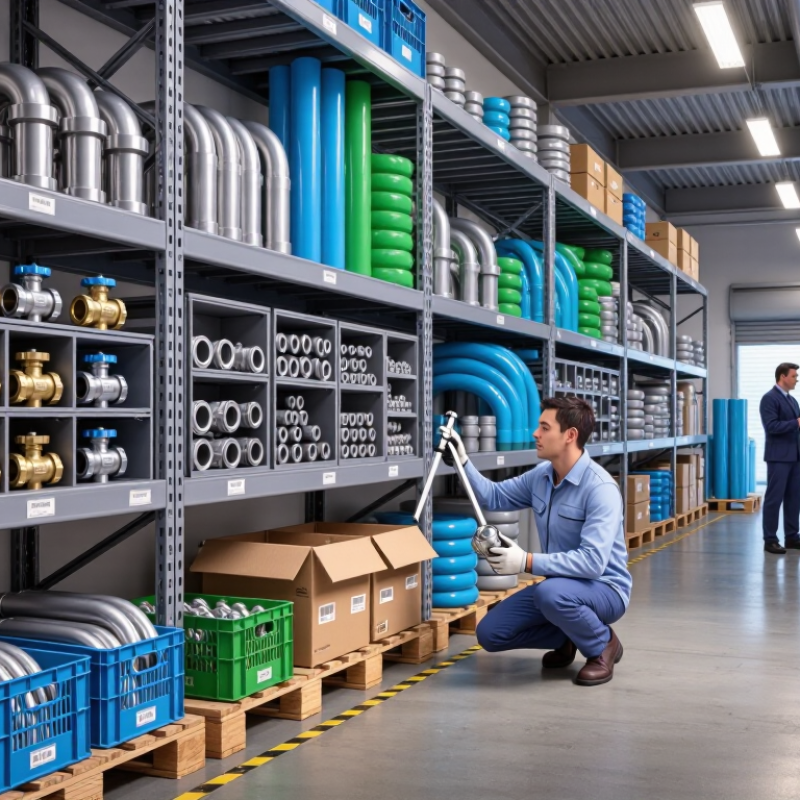
Reliable water plumbing suppliers do more than sell pipes, valves, and fittings. Their role begins with protecting system performance from the drawing stage to daily operation. Experienced suppliers ask about water quality, pressure, temperature, installation space, and maintenance access. These questions reveal risks that a basic product list may hide. They should provide clear specifications, test records, material information, and compatibility guidance. Good documentation matters. It helps engineers verify choices before a leak appears behind a wall.
A dependable supplier also connects technical knowledge with practical experience. They can explain why a fitting may fail under repeated pressure changes or why unsuitable materials can affect drinking water. Their advice should be specific, not copied from a sales script. Independent certifications, traceable batches, and consistent quality checks strengthen confidence. Delivery accuracy matters too. A missing seal can delay an entire installation. Reliable teams communicate early when stock, dimensions, or schedules change. This honesty is often more valuable than a promised low price.
Still, reliability is not absolute. Even careful suppliers can misunderstand a project or recommend an imperfect solution. Ask for references, review warranty terms, and test critical components before full installation. Keep written records of conversations and approvals. That habit protects both sides. I have found that the best supplier is not always the cheapest or most polished. It is the one that admits uncertainty, corrects mistakes, and remains reachable after payment. Their role is ongoing: helping the water system stay safe, serviceable, and predictable.
Comparing Pricing, Inventory, Lead Times, and Delivery Services
Reliable water plumbing suppliers should be compared through landed cost, not unit price alone. The U.S. Census Bureau reported that construction spending reached nearly $2 trillion in 2023, rising 6.4% from 2022. Strong demand can pressure stock levels and delivery schedules. Request prices for pipes, fittings, freight, insurance, and possible handling fees. A cheaper quotation may become expensive after transport charges. Check whether the supplier holds local inventory or relies on overseas replenishment.
Lead time needs evidence. Ask for average dispatch time, current stock quantities, and recent on-time delivery performance. The 2023 World Bank Logistics Performance Index highlights timeliness as a key supply-chain measure. It also shows that logistics performance varies considerably between markets. Delivery promises should therefore include a clear date and contingency plan. In my purchasing experience, written confirmation is safer than a confident phone call. Still, I once trusted a stock spreadsheet without checking reserved goods. That caused an avoidable delay.
Tips:
Compare three landed-cost quotations. Request batch numbers and compliance documents. Test a small order first. Review packaging, damage rates, and driver access requirements. A supplier with slightly higher pricing may offer better inventory visibility and dependable delivery. Measure performance monthly, but remain willing to question your own scoring system. It may reward fast shipments while overlooking poor technical support.
Reviewing Technical Support, Warranties, and Customer Service
How to Choose Reliable Water Plumbing Suppliers?
Reliable suppliers prove their value after installation, not during a sales call.
In my field experience, technical support should include clear sizing guidance, installation drawings, material certificates, and troubleshooting access. Ask how quickly an engineer responds when a valve leaks at 6 a.m. The answer matters. The U.S. Environmental Protection Agency’s WaterSense program reports that household leaks can waste nearly 1 trillion gallons of water annually nationwide. Proper technical advice can prevent many avoidable failures, although no supplier eliminates every site mistake.
A dependable warranty must state coverage periods, excluded conditions, labor responsibility, and replacement procedures. “Long warranty” sounds reassuring but remains weak without practical terms.
Check whether spare parts will remain available after the product changes. The 2021 ASCE Infrastructure Report Card gave U.S. drinking water infrastructure a C− grade, highlighting aging systems and continued maintenance pressure. This makes dependable after-sales support more important than a low purchase price. I once focused too heavily on unit cost; that decision created delays later.
Customer service should be measured through evidence.
Request service records, escalation contacts, and references from comparable projects. The J.D. Power 2024 U.S. Water Utility Residential Customer Satisfaction Study shows that communication and problem resolution strongly influence customer satisfaction. Suppliers should provide written updates, realistic delivery dates, and documented corrective actions. Test the process before ordering. Send a technical question and observe the response. Silence is information.
Selecting the Supplier That Best Fits Your Plumbing Requirements
How to Choose Reliable Water Plumbing Suppliers?
Selecting a supplier should begin with your actual plumbing requirements, not a glossy product catalogue. List pipe sizes, connection types, pressure ratings, water temperature, and installation conditions. A supplier may offer excellent fittings, but they may not suit your system. Check technical datasheets carefully. Ask whether products are designed for potable water, drainage, or industrial use.
Reliable suppliers provide traceable specifications and clear quality documentation. Look for test reports, material details, production standards, and batch information. Confirm that valves open smoothly and fittings match your measured dimensions. Request samples when possible. A small sample can reveal rough threads, weak seals, or inconsistent molding before a large order arrives. This step saves trouble.
Delivery performance matters just as much as product quality. Ask about stock levels, lead times, packaging, replacement procedures, and technical support. A dependable supplier should answer practical questions without avoiding details. Speak with previous customers if references are available. Their experience may reveal delayed shipments or poor after-sales service. I have found that low prices can hide extra labor, especially when installers must correct inaccurate parts. Still, documentation is not everything; communication can fail even with complete paperwork. Choose a supplier that understands your site conditions, responds clearly, and accepts reasonable questions about performance.